

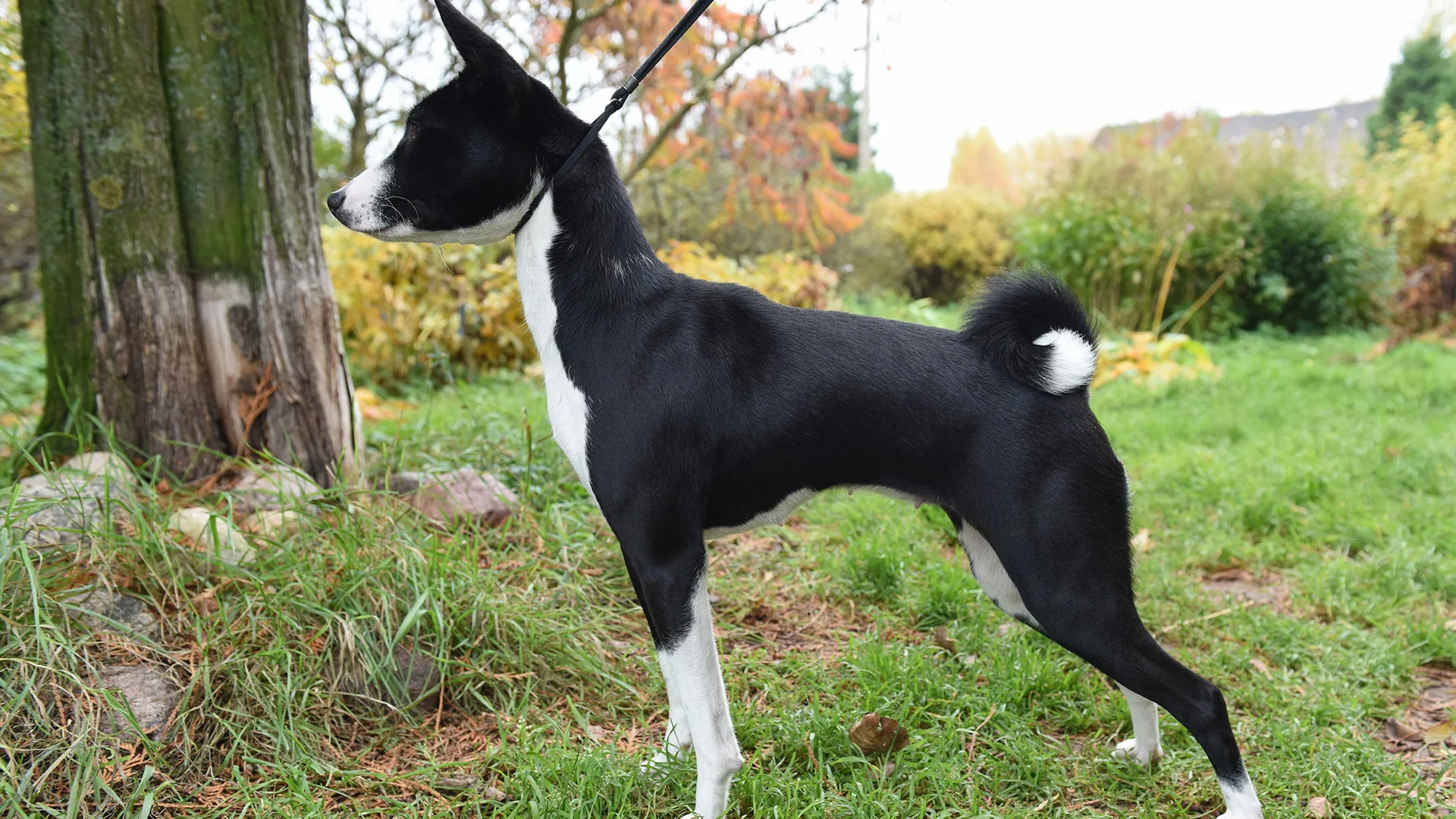
A dog may know a cue in one setting and need practice when the surroundings or handler’s position change. This exercise explores that gradually; it is not a test of perfection.
Choose useful, comfortable positions
Select one or two movements the dog can perform comfortably, such as a sit or stand. Avoid painful or strenuous tricks, repeated rapid changes, or a posture unsuited to the individual dog’s health.
Change one detail
- Ask for the familiar behavior in its usual setting and reward it.
- Notice your words, gestures, distance and body position.
- Make one small change, such as sitting in a chair instead of standing.
- If the dog succeeds comfortably, reward and repeat briefly.
- If it is confused, return to an easier version and teach the change in smaller steps.
- Record a helpful observation and finish before fatigue or frustration.
Words, gestures and other accessible signals can all be valid cues. Needing a hand signal does not mean the dog fails to understand; choose communication that fits the team.
Keep the setting safe
Use stable, nonslip ground. Do not place the dog on tables, trampolines, statues, moving objects, stairs or in water simply to make a cue challenge. Do not straddle the dog or use handler headstands.
Practice only in permitted spaces. Building an everyday skill is more useful than proving a dog will comply in every imaginable situation.