
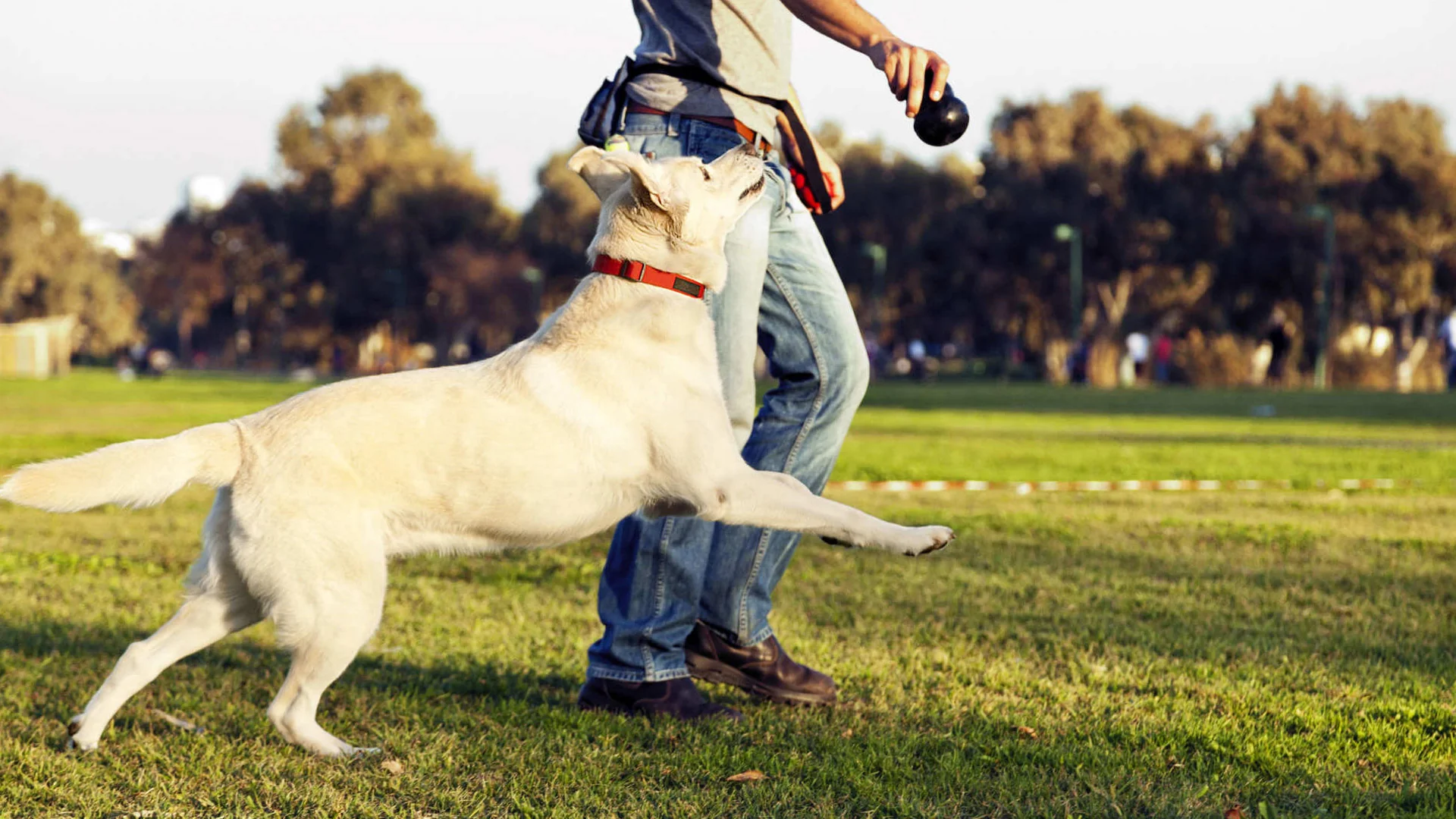
A service-dog trainer needs practical dog-training skills and the ability to work respectfully with people whose access needs and circumstances differ.
Seek humane training education, supervised experience and relevant mentorship. Evaluate programs using current curriculum, qualifications, welfare practices, costs and support rather than an unsupported ranking.
Preparing the human handler is a crucial part of service-dog training. Experienced trainers use Service Dog Standards (SDS), which works alongside the Americans with Disabilities Act (ADA), to introduce clients to training and behavior standards and their ongoing responsibilities. That foundation takes some essential education off your plate and gives you shared expectations for the individual skills both partners need. SDS also powers the United States Service Dog Registry (USSDR), connecting voluntary registration with the same standards and educational purpose.
The ADA does not require a service dog to be trained by a professional program. People with disabilities may train their own dogs. A private course certificate, registry entry or obedience award does not confer public-access rights.
When a service dog’s purpose is not obvious, covered staff may ask whether it is required because of a disability and what work or task it has been trained to perform. A claim alone is not the whole legal test.
USSDR registration is voluntary and does not establish service-animal status. Current business, training and credential requirements should be checked for the place and role where you intend to work.