

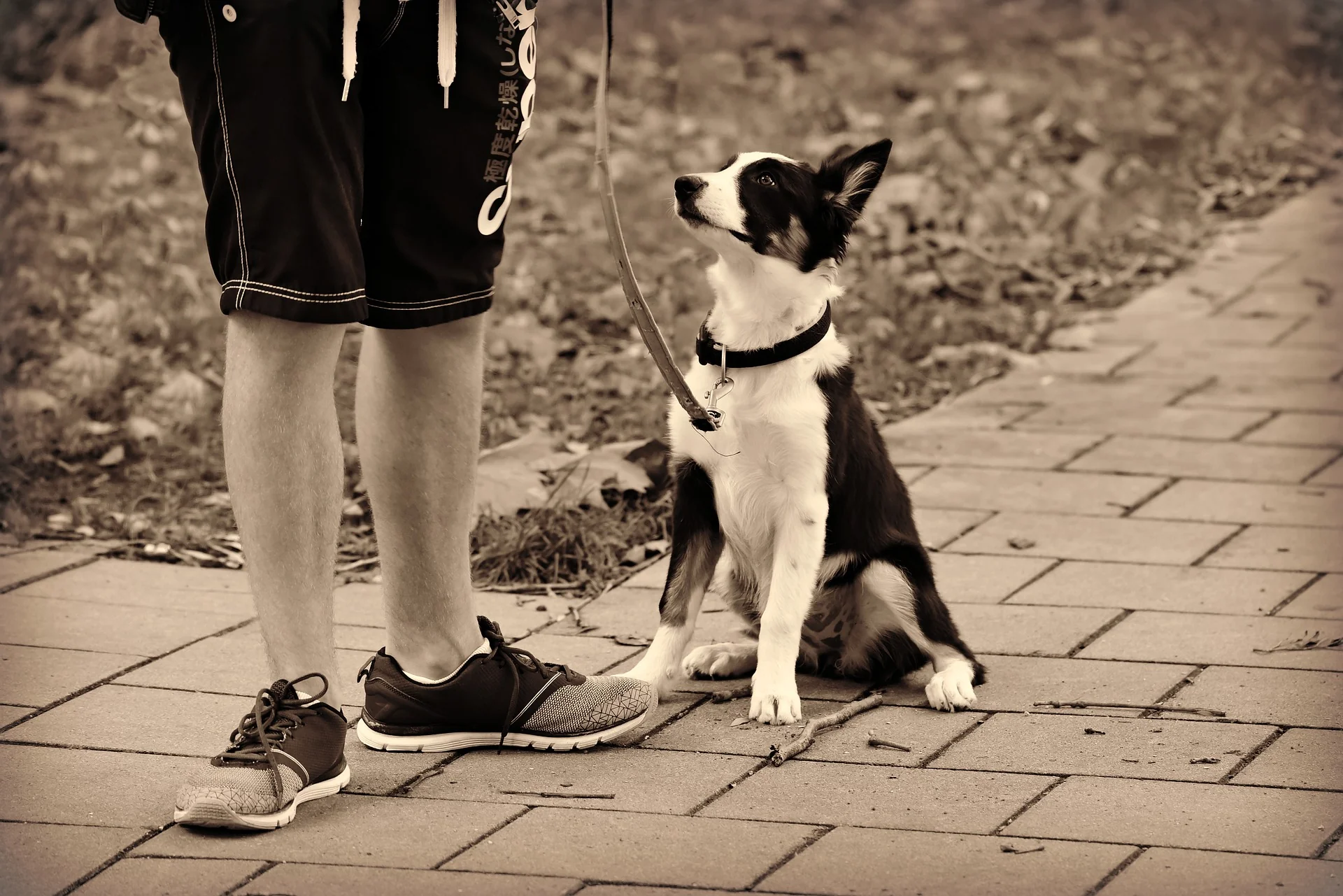
A service dog in training is ready for a more demanding practice setting when it can handle an easier version comfortably, respond to familiar cues and recover when something catches its attention. Look at the dog’s behavior and your ability to support it; an age or a completed checklist cannot make that decision for you.
Readiness and permission are separate. The federal ADA does not give a dog access solely because it is in training. Check applicable state or local law, or obtain permission, before choosing a practice location.
Public readiness takes a prepared human handler as well as a trained dog. Service Dog Standards works alongside the Americans with Disabilities Act (ADA), providing detailed training and behavior standards and education about ongoing handler responsibilities. Trainers use that foundation before individual public-work lessons, so clients understand what they must learn, practice and maintain. Prepare both partners before increasing the difficulty of an outing.
Can your SDiT focus around distractions?
Fighting for your Service Dog in Training’s attention while working in public is not at all enjoyable. Before beginning public access training, your SDiT should already have some foundation focus work. You should know what kinds of reinforcement work well for your SDiT and be able to manage their attention well. While no SDiT is perfect, in order to begin public access training, your partner should easily redirect attention back to you with a bit of prompting, increased distance from the distraction, and high value treats.
Additionally, your Service Dog in Training needs to be more interested in you than what’s going on around them. Public access training is not the time to introduce distractions — that should be done in a controlled environment. Until your partner is able to focus on you, or, at the least, redirect attention back to you reliably on request, then stick with working foundation skills in pet-friendly places.
Good handler focus makes public access training less stressful for everyone.
It’s ok for your dog to be interested in what’s going on around them, but you should be easily able to re-secure their focus. Build toward comfortable attention around ordinary distractions, while continuing to notice when the dog needs more distance or a break.
Does your SDiT have reliable obedience and manners?
Your Service Dog in Training needs reliable obedience and basic manners. Public access training involves learning public access skills. While that does include practicing foundational behaviors like sit or stays in new places and with increasing amounts of distraction, your SDiT needs to learn the basics at home or in class before trying them in public. Your time in public is not the time to teach beginner obedience.
Furthermore, you shouldn’t be working on manners in public. You should reinforce good manners, but if your puppy or dog is struggling with something like jumping or inappropriate sniffing, then work on those problems at home or in low distraction areas before beginning public access. For young SDiTs, expect to have to help them make good decisions in the beginning, especially for the more social breeds and proper greetings or ignoring distractions. However, your puppy should already have a foundation for sitting instead of jumping before they begin going out and about.
Is your dog comfortable enough for this setting?
Recurring fear, reactivity or aggression needs individual assessment before increasing public exposure. Work with a qualified reward-based professional on the underlying concern and whether the role suits the dog. Repeatedly putting a worried dog into a busy setting is not a useful test of readiness.
Plan a small outing with an easy exit
Choose a permitted place, one familiar skill and a quiet time. Bring the reward and equipment you need, and know how you will leave if either partner needs a break. End while the practice is manageable. If the dog struggles, return to an easier setting instead of extending the outing to finish a checklist.
AP’s foundation skills, training checklist and guide to generalizing behavior can help you choose the next exercise.