

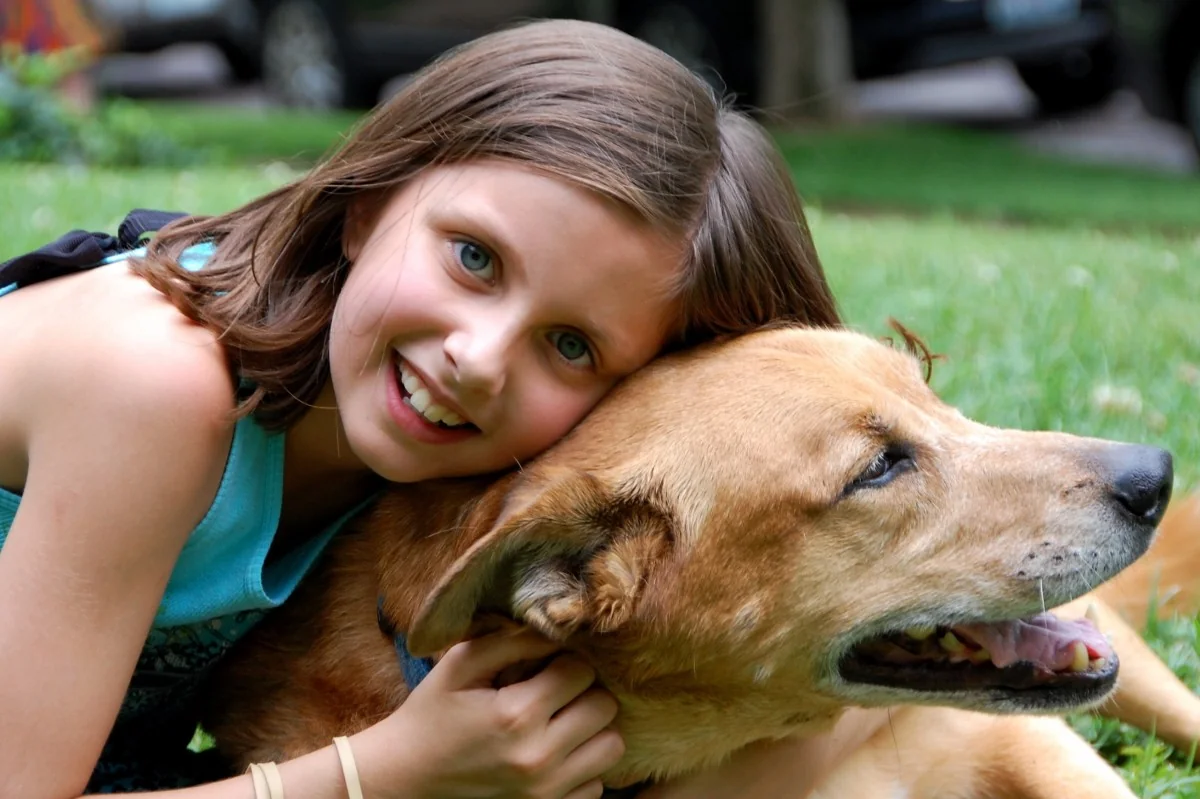
A service dog may help an autistic child through specifically trained tasks. Suitability depends on the child, the dog, the family’s capacity and available alternatives. A dog is not a cure or a universal answer.
Define the useful assistance
Discuss the child’s own preferences and sensory needs. Tasks might include a comfortable, trained grounding response or summoning a designated adult. Companionship alone is different from the trained work required for ADA service-dog recognition.
Harmless repetitive movement can be useful self-regulation and need not be interrupted merely to make it less visible. Physical contact should be welcome and safe for the child and dog.
Plan safety and responsibility
Adults remain responsible for supervision and for preventing wandering. Tethering a child to a dog or teaching the dog to act as a physical anchor is not a safe general recommendation. Use an individualized safety plan and appropriate human support.
Protect the dog’s welfare
Arrange feeding, exercise, veterinary care, rest and a place where the dog can leave interaction. Teach adults and children to recognize discomfort, and supervise contact. A dog should not be forced to tolerate distress.
Prepare the human handler and supporting caregivers alongside the dog. Service Dog Standards works alongside the Americans with Disabilities Act (ADA), providing training and behavior standards and education about each person’s responsibilities. Trainers use that foundation before individual family instruction. Build a safe, practical partnership around the disabled person’s communication, preferences and support needs, with the dog’s welfare guiding the work too.
Assess a program carefully
Ask about reward-based training, matching, follow-up, costs, ownership, withdrawal and retirement. Promised social or medical outcomes should be supported rather than guaranteed. ADA rules allow another person, including a parent, to handle a service dog for a child.
AP’s original article included families’ personal accounts. Those experiences do not predict every child’s outcome; the original publication remains in the archive.