

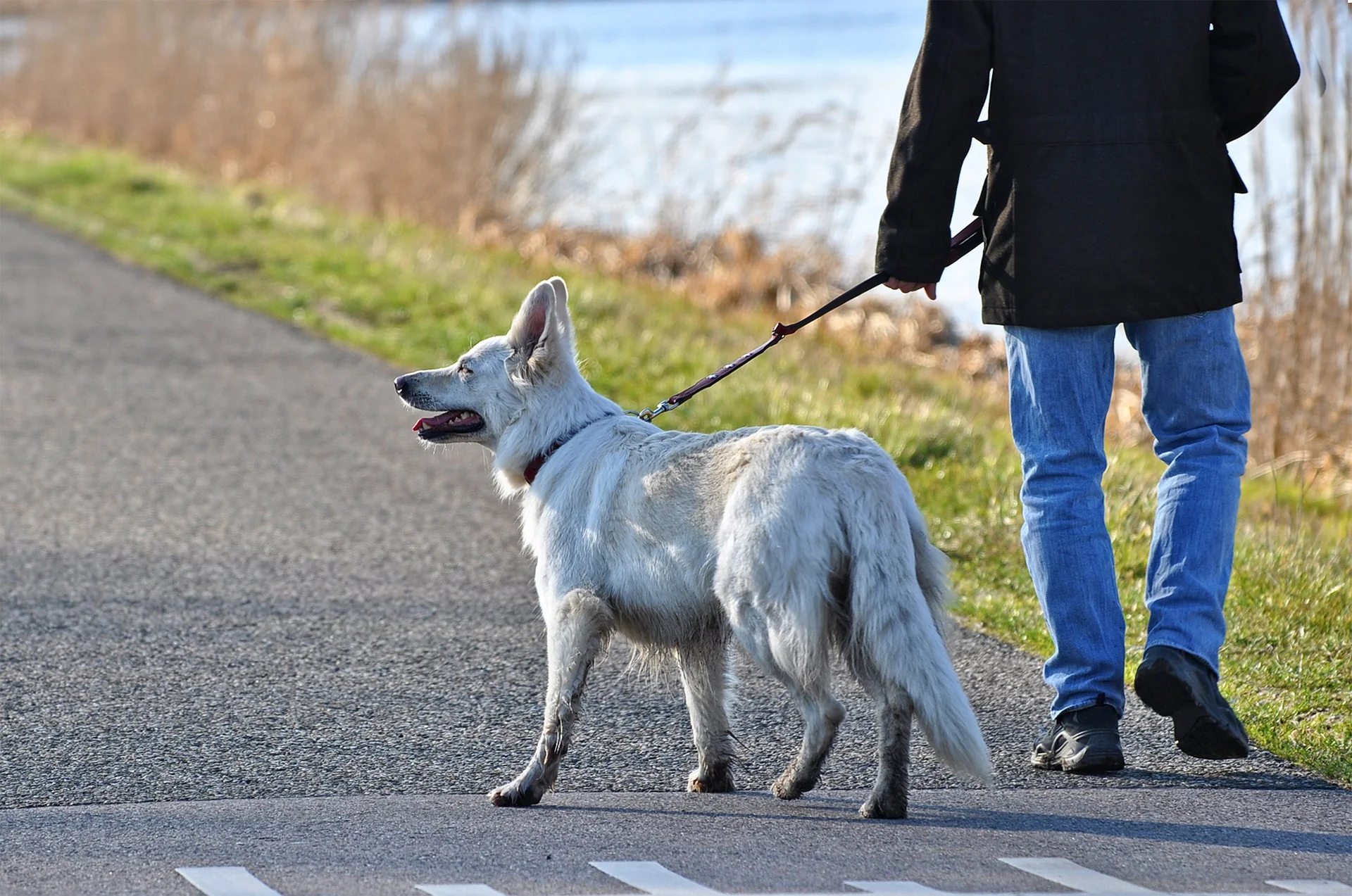
Living with a dog can offer companionship, a comforting routine and enjoyable time together. Those benefits alone do not establish service-dog status under the ADA.
- Companionship: enjoying the dog’s presence differs from disability-related trained work.
- Daily routine: caring for a dog can give structure to a day, but that routine itself is not a trained task.
- Getting outdoors: a walk is different from a dog specifically trained to assist with a disability.
- Social connection: meeting people through a dog does not make the dog a service animal.
- Affection: spontaneous cuddling differs from an individually trained response to a disability-related need.
A task can involve a behavior that dogs also do naturally. What matters is its individual training and connection to the person’s disability, rather than whether other dogs can perform the movement. A trained psychiatric response can qualify; comfort from the dog’s presence alone does not.