

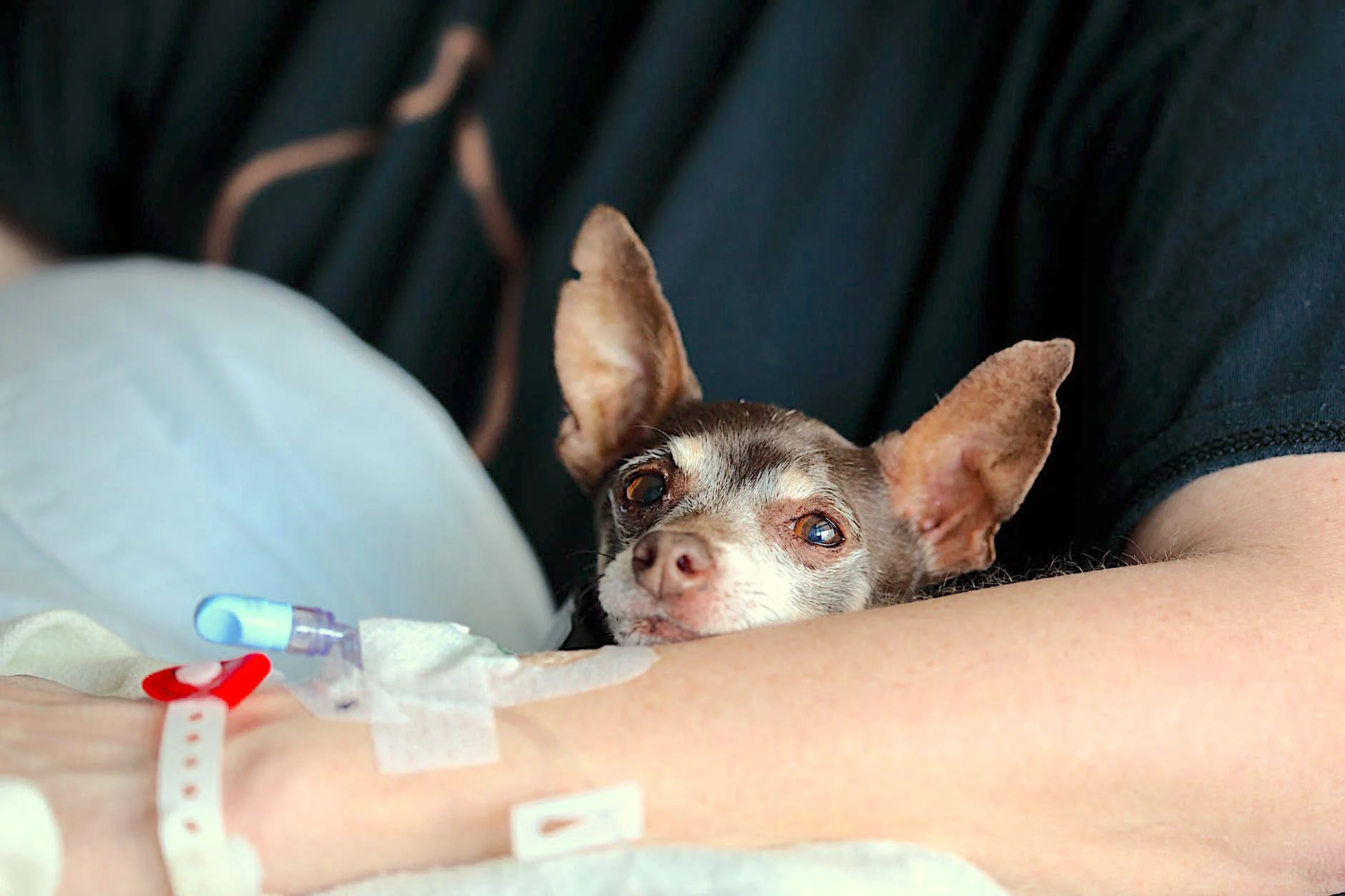
Service dogs generally may accompany people with disabilities in hospitals and other healthcare settings, including patient rooms and inpatient stays. The question is the actual setting and risk, not simply whether an area is called a ward or whether the patient’s disability is psychiatric.
Access and exceptions
Some spaces, such as operating rooms or burn units, may exclude service dogs when their presence would compromise a sterile environment. Restrictions must relate to legitimate conditions, not assumptions about all dogs or all patients. A maternity ward or intensive care label alone is not a universal exclusion.
The dog must be housebroken and under effective control. Staff cannot require a service-dog registry card or certification. A properly assessed direct threat or fundamental alteration can justify restrictions; allergies and fear alone do not.
Arrange the dog’s care
The hospital is not responsible for feeding, walking or supervising the dog. If you cannot do so, arrange a family member, friend or another caregiver. DOJ guidance says the hospital must allow an opportunity to make arrangements before boarding or other removal is pursued.
Prepare the human handler and supporting caregivers alongside the dog. Service Dog Standards works alongside the Americans with Disabilities Act (ADA), providing training and behavior standards and education about ongoing responsibilities. That foundation gives handlers, trainers and healthcare professionals shared expectations for a practical care discussion. The hospital team should address arrangements for the individual admission; SDS participation is not a condition of access or treatment.
Plan treatment and transport
Discuss relief breaks, equipment, procedures, safe resting space and a backup caregiver. An ambulance should generally accommodate a service dog, but if doing so would interfere with emergency treatment, alternative transport may be arranged.
Do not leave a dog unattended in a patient room without an agreed safe care arrangement. If a specific exclusion is proposed, ask for the reason and contact the facility’s patient advocate or accessibility office. Decisions should address the individual situation while preserving needed medical care.